

The Importance of Early Diagnosis for Pilonidal Disease: Why Seeing a Specialist Quickly Matters
Pilonidal disease is a common skin issue that affects both kids and adults. If not treated, it can cause serious problems. So, getting medical help fast is very important.
Seeking a specialist quickly is vital in preventing these complications and ensuring proper treatment. In New Jersey, Pilonidal Fix, led by Dr. Rafailov, a renowned specialist, offers comprehensive treatment for pilonidal disease.

Understanding the importance of early diagnosis can significantly impact the effectiveness of the treatment. With the right care, patients can recover and avoid further issues.
Key Takeaways
- Timely diagnosis is crucial for effective pilonidal disease treatment.
- Pilonidal Fix in New Jersey provides specialized care for pilonidal disease.
- Dr. Rafailov is a leading specialist in treating pilonidal disease.
- Early intervention can prevent serious complications.
- Comprehensive treatment plans are available for patients.
Understanding Pilonidal Disease: A Common but Overlooked Condition
Pilonidal disease is a common condition that many people don't know about. It's a skin problem that causes cysts or abscesses in the natal cleft. This area is at the top of the buttocks.
What is Pilonidal Disease?
Pilonidal disease happens when hair follicles or debris block and form cysts or abscesses. This can cause pain, swelling, and infection if not treated right.
How Common is Pilonidal Disease?
About 26 people out of 100,000 get pilonidal disease. It's not rare and can really affect someone's life quality.
Who is Most Affected by Pilonidal Disease?
Men get pilonidal disease more often than women. Men are 2.2 times more likely to have it. Knowing this helps in finding who's at risk and how to prevent it.
It's important to know who gets pilonidal disease to catch it early and treat it well. At Pilonidal Fix, in the Stanhope, NJ area and Sussex County, experts help those with this condition.
Recognizing the Signs and Symptoms of Pilonidal Disease
The symptoms of pilonidal disease can vary. Recognizing them early is key to effective management. Pilonidal disease often shows signs that can get worse if not treated.
Early Warning Signs
Early signs include pain and swelling near the tailbone. You might also see redness and tenderness. These symptoms are often the first signs that something is wrong.
- Pain or discomfort in the lower back
- Swelling or inflammation near the coccyx
- Redness or warmth around the affected area
Advanced Symptoms
As pilonidal disease gets worse, advanced symptoms may appear. These include drainage or discharge from the cyst, which smells bad. An abscess might form, causing more pain, swelling, and fever. It's important to watch for these symptoms.
- Drainage or discharge from the cyst
- Formation of an abscess
- Fever or general feeling of being unwell
When to Seek Medical Attention
If you notice persistent pain, increased swelling, or signs of infection, seek medical help. Early treatment can prevent complications and help you recover faster.
Our treatment for pilonidal disease tackles both symptoms and causes. This ensures effective management and prevents future flare-ups.
The Importance of Early Diagnosis for Pilonidal Disease
Getting a timely diagnosis for pilonidal disease is key to avoiding serious problems. It ensures patients get the best treatment early on. This can greatly reduce the chance of long-term health issues.
Benefits of Catching Pilonidal Disease Early
Early detection of pilonidal disease has many advantages. It allows for quick action to stop the condition from getting worse. It also means patients can get the right treatment, lowering the risk of serious issues like abscesses or chronic infections.
Key benefits of early diagnosis include:'
- Reduced risk of complications
- Less invasive treatment options
- Faster recovery times
- Improved quality of life
Diagnostic Procedures
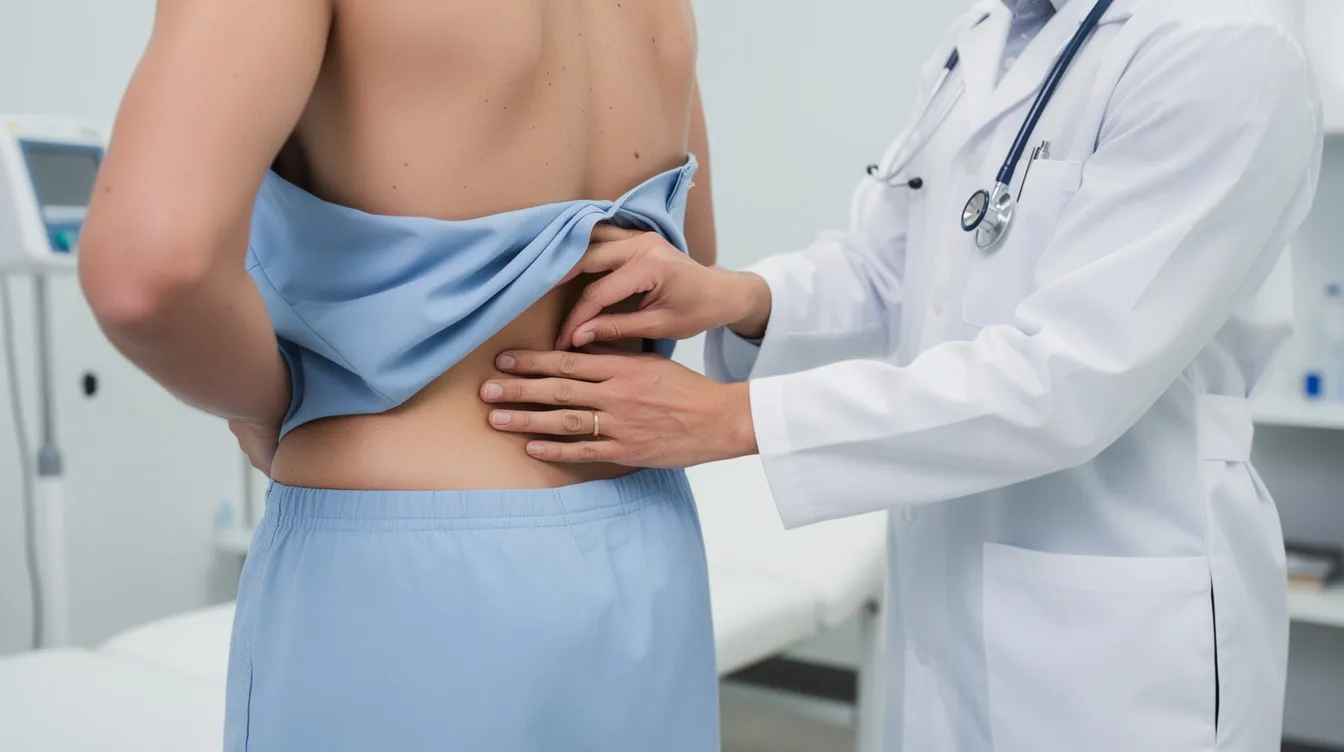
To diagnose pilonidal disease, a doctor will do a physical check-up and look at your medical history. Dr. Rafailov, an expert in treating pilonidal disease in NJ, will carefully examine you. This helps figure out the best treatment plan.
Diagnostic steps might include:
| Diagnostic Method | Description |
|---|---|
| Physical Examination | A detailed check of the affected area to see if there's a pilonidal cyst or abscess. |
| Medical History Review | Looking at your medical history to see if you've had pilonidal disease or similar issues before. |
What to Expect During Your First Appointment
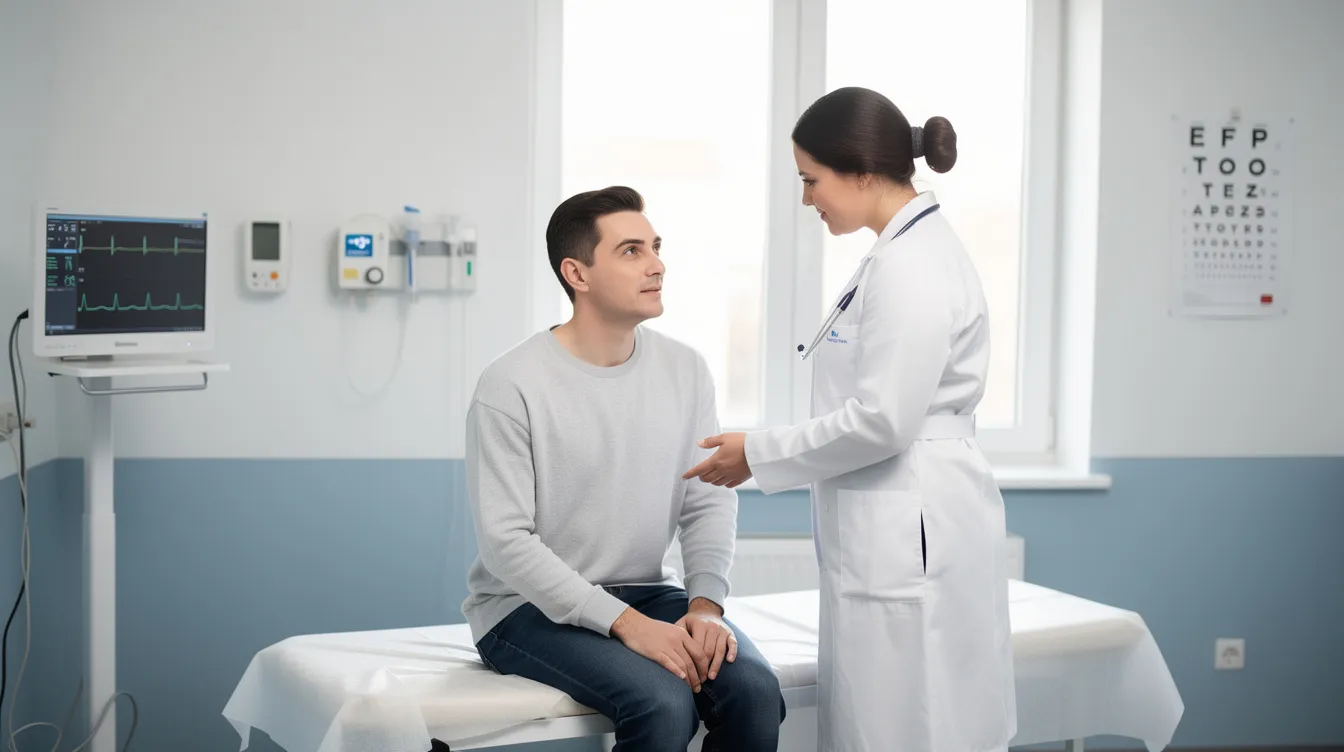
At your first visit with Dr. Rafailov, you'll get a full evaluation. This includes talking about your symptoms, a physical check-up, and discussing treatment options. Dr. Rafailov will create a treatment plan that fits your needs.
"Early diagnosis is critical in managing pilonidal disease effectively. By catching the condition early, patients can avoid more severe complications and receive timely treatment." - Dr. Rafailov
Understanding the importance of early diagnosis and getting medical help quickly can greatly improve your outcome. It helps lower the risk of serious problems linked to pilonidal disease.
The Dangers of Delayed Treatment
Delaying treatment for pilonidal disease can lead to severe consequences. If left untreated, the condition can progress, causing significant discomfort. It can also lead to serious complications.
Potential Complications
One of the primary concerns with delayed treatment is the development of complications such as abscesses and sinus tracts. Abscesses are painful, pus-filled pockets that can form in the skin, while sinus tracts are abnormal channels that can connect the abscess to the skin surface or other organs. According to medical professionals, "Prompt treatment is essential to prevent such complications and ensure effective management of the disease."
Impact on Quality of Life
Pilonidal disease, if not treated promptly, can significantly impact a person's quality of life. The pain and discomfort associated with the condition can limit daily activities and affect overall well-being. Individuals may experience difficulty sitting or engaging in physical activities due to the pain.
Long-term Health Consequences
Ignoring the symptoms of pilonidal disease can result in long-term health consequences. Recurrent infections and chronic inflammation can lead to scarring and potentially cause long-term damage to the affected area. In some cases, untreated pilonidal disease may lead to more severe conditions that require complex treatments, including surgical interventions.
Understanding the risks associated with delayed treatment highlights the importance of seeking medical attention early. By doing so, individuals can avoid potential complications and ensure a better quality of life.
Understanding Pilonidal Disease Risk Factors
Knowing the risk factors for pilonidal disease helps in preventing it. By finding out who is at higher risk, we can take steps to lower the chance of getting it.
Genetic Predisposition
Family history is a big deal when it comes to pilonidal disease. If your family has it, you might get it too. Genetic predisposition means some people are more likely to get it because of their genes.
Lifestyle Factors
Being overweight or obese and not being active are lifestyle choices that raise the risk. Staying at a healthy weight and being active can help lower this risk.
Occupational Risks
Jobs that involve a lot of sitting or driving, like truck driving or office work, increase the risk. Occupational risks can be lessened by taking breaks to move and stretch.
| Risk Factor | Description | Preventive Measure |
|---|---|---|
| Genetic Predisposition | Family history of pilonidal disease | Awareness and early monitoring |
| Lifestyle Factors | Being overweight, sedentary lifestyle | Weight management, regular exercise |
| Occupational Risks | Prolonged sitting or driving | Regular breaks, physical activity |
At Pilonidal Fix, we focus on these risk factors to give the best care and advice. By tackling these areas, we can help lower the risk of pilonidal disease.
Managing Pilonidal Cyst Flare-Ups
When a pilonidal cyst flares up, it's important to know how to handle it. This can be very painful and affect your daily life. Dr. Rafailov, a New Jersey Pilonidal Disease Specialist, says, "Knowing how to manage these flare-ups is key for treating pilonidal disease in NJ."
Immediate Steps to Take
To start, you should try to reduce pain and swelling. Warm compresses can help the cyst drain and heal. You can also take over-the-counter pain meds to ease the discomfort.
Home Care Strategies
Keeping the area clean and dry is vital during a flare-up. Wear loose clothes to avoid irritating the cyst. Good hygiene practices and comfy clothes can help a lot.
Dr. Rafailov stresses, "Proper wound care is key for healing and avoiding future problems." Use gentle cleansers and maybe antibacterial soap at home.
When a Flare-Up Requires Medical Intervention
If the flare-up is bad, doesn't get better, or shows signs of infection, you need to see a doctor. Dr. Rafailov advises seeking help from a specialist. They might prescribe antibiotics or drain the abscess.
Knowing when to get medical help is crucial for managing pilonidal cyst flare-ups. Prompt medical attention can stop serious problems and improve your recovery.
Treatment Options for Pilonidal Disease in NJ
Pilonidal Fix in NJ offers many treatment options for pilonidal disease. They focus on the best care for patients in Stanhope, NJ, and Sussex County. The treatment plan depends on how severe and complex the disease is.
Conservative Management Approaches
For mild cases, doctors often suggest conservative management. This includes antibiotic treatments to fight infection, pain management to reduce discomfort, and lifestyle adjustments like better hygiene.
Minimally Invasive Procedures
For cases where conservative management doesn't work, doctors may suggest minimally invasive procedures. Options like laser treatment or drainage procedures can help manage the disease with little downtime.
Surgical Interventions
In severe cases, surgery is often needed. There are two main surgical approaches:
Traditional Surgical Methods
Traditional surgery involves excising the pilonidal cyst. It's effective but may take longer to recover from.
Advanced Surgical Techniques
Advanced techniques, like basin flap surgery, might have lower recurrence rates and quicker recovery times. These are used for recurrent or complex cases.
At Pilonidal Fix, the team works hard to find the right treatment for each patient. Experts say "Early diagnosis is crucial for effective treatment." Choosing the right treatment can greatly improve a patient's life quality.
If you're dealing with pilonidal disease, seeing a specialist can help. Pilonidal Fix aims to provide top-notch care, ensuring the best outcomes for patients.
Why Specialist Care Makes a Difference
Specialist care is key when treating pilonidal disease. It ensures patients get the best care possible. This is crucial for effective pilonidal disease treatment in NJ.
The Expertise of Dedicated Pilonidal Disease Specialists
Dr. Rafailov and others have a lot of knowledge in treating pilonidal disease. Their skills help in catching the disease early. This is vital for better treatment and outcomes.
At Pilonidal Fix, Dr. Rafailov focuses on detailed and personal care. He assesses each patient's condition carefully. Then, he creates a treatment plan that meets their specific needs.
Dr. Rafailov's Approach at Pilonidal Fix
Dr. Rafailov stresses the need for early diagnosis for pilonidal disease in NJ. Early detection helps avoid serious symptoms and complications.
| Benefits | Specialist Care | General Surgery |
|---|---|---|
| Expertise | Highly specialized | General surgical knowledge |
| Personalized Care | Tailored treatment plans | Standardized treatment |
| Outcome | Better recovery rates | Variable recovery rates |
Benefits of Specialized Care vs. General Surgery
Choosing specialized care for pilonidal disease treatment in NJ has many advantages. Patients get more tailored and effective treatment. This leads to better results and higher patient satisfaction.
By choosing specialist care, patients get the best treatment for their condition. This greatly improves their chances of a successful recovery.
Pilonidal Disease Prevention Strategies
Preventing pilonidal disease is possible with good hygiene, a healthy lifestyle, and knowing the risks. Understanding the causes and taking steps early can lower your risk.
Daily Hygiene Practices
Keeping the area clean is key. Daily washing with mild soap and thorough drying stops infections. Also, don't share personal hygiene items.
Lifestyle Modifications
A healthy lifestyle helps prevent pilonidal disease. This means staying at a healthy weight and avoiding long sitting to prevent skin irritation.
Long-term Prevention Tips
For long-term prevention, choose comfortable clothing and avoid tight clothes. Regularly check your skin for signs of irritation or infection to catch problems early.
| Prevention Strategy | Benefit |
|---|---|
| Daily Hygiene | Reduces infection risk |
| Lifestyle Modifications | Decreases pressure and irritation |
| Comfortable Clothing | Minimizes skin irritation |
By following these tips, you can lower your risk of pilonidal disease. There are also treatment and prevention plans for those needing extra help.
Recovery and Long-term Management
Understanding the recovery process and long-term management strategies is vital for patients with pilonidal disease. Effective management can significantly reduce the risk of recurrence and improve overall quality of life.
What to Expect After Treatment
After treatment for pilonidal disease, patients can expect a period of recovery. They may need to follow specific wound care instructions. Pilonidal Fix provides detailed guidance on post-treatment care to ensure a smooth recovery.
- Follow the doctor's instructions for wound care
- Take prescribed medications as directed
- Attend follow-up appointments
Preventing Recurrence
Preventing the recurrence of pilonidal disease requires ongoing efforts. This includes maintaining good hygiene and making lifestyle modifications. Good hygiene practices are crucial in preventing the condition from recurring.
Follow-up Care Importance
Follow-up care is essential for monitoring the healing process and addressing any complications early. Regular check-ups with a specialist like Dr. Rafailov at Pilonidal Fix can significantly improve outcomes.
- Schedule regular follow-up appointments
- Report any signs of complications or recurrence
- Continue practicing good hygiene and lifestyle habits
Conclusion: Taking Action for Better Outcomes
Getting an early diagnosis for pilonidal disease in NJ is key. It helps manage and treat the condition effectively. Pilonidal Fix offers top-notch treatment in NJ, helping patients recover and manage their disease.
Acting fast is important in managing pilonidal disease. By following prevention tips and getting timely treatment, patients can improve their quality of life. At Pilonidal Fix, patients get personalized care and guidance every step of the way.
Don't wait for symptoms to get worse. Visit Pilonidal Fix today to explore your treatment options. Start your journey towards a healthier tomorrow.
Frequently Asked Questions About Why Seeing a Specialist Quickly Matters
What is pilonidal disease?
Pilonidal disease is a skin condition. It affects the skin and tissue in the natal cleft.
How common is pilonidal disease?
It's estimated to affect 26 per 100,000 people. Men are more likely to get it than women.
What are the early warning signs of pilonidal disease?
Early signs include pain and swelling in the affected area.
What are the advanced symptoms of pilonidal disease?
Advanced symptoms include drainage and fever.
Why is early diagnosis important for pilonidal disease?
Early diagnosis helps manage the disease well. It prevents complications and ensures proper treatment.
What are the potential complications of delayed treatment?
Delayed treatment can cause abscesses and sinus tracts. This can greatly affect a person's life and health.
What are the risk factors for pilonidal disease?
Genetic predisposition, lifestyle, and job risks all contribute to pilonidal disease.
How can pilonidal cyst flare-ups be managed?
Use warm compresses and pain medication first. Good hygiene and avoiding tight clothes also help.
What treatment options are available for pilonidal disease?
Options include conservative management, minimally invasive procedures, and surgery. The choice depends on the condition's severity.
Why is specialist care important for pilonidal disease?
Specialist care, like Dr. Rafailov's at Pilonidal Fix, is key. It ensures effective management and comprehensive care.
How can pilonidal disease be prevented?
Prevention involves daily hygiene, lifestyle changes, and long-term strategies
What can I expect after treatment for pilonidal disease?
After treatment, recovery and follow-up care are expected. Ongoing efforts are needed to prevent recurrence.
How can I prevent recurrence of pilonidal disease?
To prevent recurrence, maintain good hygiene, make lifestyle changes, and attend follow-up appointments.