
DEDICATED TO PILONIDAL CURE
New Jersey
Pilonidal Specialist
Comprehensive treatment for lasting recovery. Dr. Rafailov offers expert, compassionate care for pilonidal disease with an unmatched level of direct communication and honesty.
15+
Years Exp.
Only
NE US Practice
100+
5-Star Reviews
DEDICATED TO PILONIDAL CURE
New Jersey
Pilonidal Specialist
Comprehensive treatment for lasting recovery. Dr. Rafailov offers expert, compassionate care for pilonidal disease with an unmatched level of direct communication and honesty.
15+
Years Experience
Only
NE US Dedicated Practice
100+
5-Star Reviews
Treatment Options
Pilonidal Treatments
At Pilonidal Fix we offer curated treatment options specific to each patient's disease presentation.
Antibiotic Management
Targeted antimicrobial coverage is an essential step in the treatment of pilonidal disease.
Learn MoreEmergency Surgical Drainage
The mainstay treatment of an acute abscess (collection of pus) is an incision and drainage procedure.
Learn MoreThe Cleft-Lift Procedure
Cleft Lift surgery, also known as the Bascom Flap repair, is the gold standard for recurrent pilonidal disease and nonhealing post-surgery wounds.
Learn MorePit-Picking
Pit picking procedure may be an option for some patients who are not ready for a full surgical procedure.
Learn MoreLiposuction Assisted Cleftoplasty
After achieving cure, certain patients may desire and be a candidate for liposuction-assisted contouring of the gluteal cleft.
Learn MoreWhy Pilonidal Fix
Why Choose Us
Experience specialized care from a practice dedicated entirely to treating pilonidal disease.
Only Dedicated Practice
Pilonidal Fix is currently the only dedicated practice in the Northeastern US delivering the highest cure rate to patients with pilonidal disease.
Specialized Expertise
Dr. Rafailov focuses exclusively on pilonidal disease, from initial presentation to complex, recurrent cases.
Compassionate Care
Expert care delivered with compassion and an unmatched level of direct communication and honesty.
Direct Access
Dr. Rafailov provides direct communication to patients, often responding to inquiries personally even after hours.
Meet Our Medical Director
Dr. Samuil Rafailov
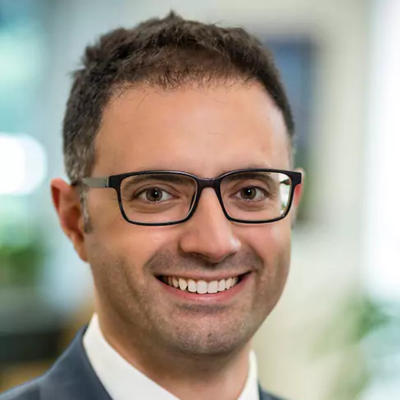
Dr. Samuil D. Rafailov, DO, FACS
Dr. Rafailov delivers expert care and compassion to his patients with an unmatched level of direct communication and honesty. As a board-certified surgeon with over 15 years of experience, he has dedicated his practice to understanding, diagnosing, and treating pilonidal disease exclusively. This includes expertise in a range of highly specialized treatment approaches, from antibiotic management to advanced surgical techniques like the Cleft-Lift procedure.
Certified Excellence
Affiliations

Common Questions
Frequently Asked Questions
A Pilonidal Disease Specialist, like Dr. Rafailov at Pilofix, is a medical professional who has dedicated their practice to understanding, diagnosing, and treating pilonidal disease exclusively. While pilonidal disease treatment is considered part of general surgery, specialized training and experience in this area can significantly improve patient outcomes. Unlike general surgeons, a specialist focuses on the nuances of this specific condition, from its initial presentation to complex, recurrent cases. This includes expertise in a range of highly specialized treatment approaches, such as Antibiotic Management, Emergency Surgical Drainage for acute abscesses, and advanced surgical techniques like the Cleft-Lift procedure (also known as Bascom Flap repair) and Pit-Picking, which are often the most effective long-term solutions for pilonidal disease. Our dedicated focus ensures that patients receive highly specialized, up-to-date, and effective care.
Seeing a Pilonidal Surgeon is crucial for several reasons. Pilonidal disease can be complex and challenging to treat effectively with conventional methods, often leading to recurrence, chronic pain, and non-healing wounds. A specialist possesses an in-depth understanding of the disease's anatomy and pathology, enabling them to accurately diagnose and differentiate pilonidal disease from other conditions, offer advanced and effective treatments like the Cleft-Lift (the gold standard for definitive surgical treatment), minimize recurrence through specialized techniques, improve recovery with faster healing and better cosmetic outcomes, and handle complex cases including patients who have had multiple failed surgeries or severe, chronic disease. At Pilofix, our singular focus on pilonidal disease means you benefit from unparalleled experience and a commitment to achieving a definitive cure.
Choosing the right Pilonidal Disease Specialist is a critical decision for effective treatment and long-term relief. Key factors to consider include: a dedicated focus on pilonidal disease, proficiency in advanced techniques like the Cleft-Lift procedure, experience and proven success rates, a patient-centered approach with direct communication and compassion, positive online reviews and testimonials, and accessible follow-up care. Pilofix is the only dedicated practice in the Northeastern US delivering the highest cure rate to patients. Dr. Rafailov embodies these qualities, offering dedicated expertise, a proven track record, and a compassionate, straightforward approach to patient care. Connect with us today.
Unlike traditional surgeries that leave a wide-open wound to heal from the "bottom up" (which can take months and often fails), the Cleft-Lift (Bascom Flap) is a closed procedure. It reshapes the gluteal cleft to remove the cause of the disease and uses healthy tissue to close the area. This results in a significantly faster recovery and a much higher success rate (over 99%).
Yes. We understand that many patients travel long distances to see Dr. Rafailov. We offer remote consultations where we can review your medical history and photos to determine if you are a candidate for surgery before you book your travel to New Jersey.
Most patients are able to return to light activity and sedentary work or school within 1 to 2 weeks following a Cleft-Lift procedure. We provide detailed post-operative instructions to ensure your healing stays on track and you can return to your normal life as quickly as possible.
Absolutely. Approximately half of our patients come to us after one or more unsuccessful surgeries. We specialize in "salvage" cases—treating non-healing wounds and recurrent disease that other general surgeons may not be equipped to handle.
We work with various insurance providers and aim to make specialized care accessible. Because every plan is different, we recommend contacting our office with your insurance information so our team can perform a verification of benefits and provide you with a clear understanding of your coverage.
Find Relief Today
Schedule Your
Consultation
Contact Pilonidal Fix today and let us help you leave your pain behind. Take the first step toward lasting relief with expert, compassionate care from Dr. Rafailov.
Call or Text
(973) 323-2400Hours
Mon–Thu 9–4, Fri 9:30–4