WHAT IS PILONIDAL DISEASE?

This page explains what pilonidal disease is, who it affects, common symptoms, causes, and available treatments. It is intended for patients, caregivers, and anyone seeking to understand this condition and how to manage it.


Pilonidal disease is a chronic skin infection in the crease of the buttocks near the coccyx (tailbone). It most often affects individuals aged 15-40, especially males, and is characterized by pain, swelling, and pus drainage near the tailbone. Pilonidal disease affects about 70,000 people in the US annually and is more common in men than women. Risk factors include prolonged sitting, hair type, weight, family history, and hygiene. A pilonidal sinus is a small hole or tunnel at the top of the buttocks. Keeping the area clean and free of hair is essential for managing and preventing recurrence. Hair removal is the most important thing you can do to treat pilonidal disease. For more background on this condition, see our overview of what pilonidal disease is and how it develops. A family member or clinician may need to assist with hair removal in the buttocks crease to prevent recurrence..


Pilonidal disease is a chronic skin infection in the crease of the buttocks near the coccyx (tailbone). Pilonidal disease is an inflammatory condition affecting the skin and soft tissues overlying the sacrococcyx (tailbone). A pilonidal sinus is a small hole or tunnel at the top of the buttocks, between the buttocks. It is characterized by the formation of abscesses, cysts, or sinus tracts in the fold between the buttocks overlying the tailbone, also known as the sacrum. Loose, broken hair gets trapped in the deep skin crease (buttocks crease), causing friction and pressure that can lead to chronic infection. Hair growing in the buttocks crease is a key factor in pilonidal sinus formation, especially in men with coarse or dense hair in this area.


Post-surgical care is crucial to prevent infection and ensure proper healing of the wound. After surgery, the wound must be kept clean, dry, and free of hair until fully healed.m.

Symptoms of Pilonidal Disease

Pilonidal disease most often presents with the following symptoms, and recognizing these early pilonidal disease symptoms and warning signs can help you seek treatment before complications develop:


  • Pain or tenderness over the tailbone region
  • Swelling or a lump at the top of the buttocks
  • Redness and warmth in the affected area
  • Drainage of pus or blood from a small opening (pilonidal sinus)
  • Foul odor from the drainage
  • Difficulty sitting due to discomfort


Most patients will describe some level of pain over their tailbone region and commonly attribute it to a potential trauma or prolonged traveling. An abscess, or a collection of pus beneath the skin, is what most often causes patients to seek medical attention at an emergency room or urgent care setting. Symptoms or infections can develop quickly, sometimes worsening within a few days, and require prompt medical attention. In less severe cases, patients may experience intermittent flare-ups of pain and swelling that spontaneously resolve, sometimes with the aid of home remedies. Patients are also commonly prescribed antibiotics by their primary care providers or dermatology practitioners.


For ongoing guidance about symptoms, prevention, and daily management, explore our pilonidal disease education blog.


Next, let's explore the causes and risk factors for pilonidal disease, and how our specialized practice is uniquely positioned to help, as described on our About Pilonidal Fix and our expertise page..


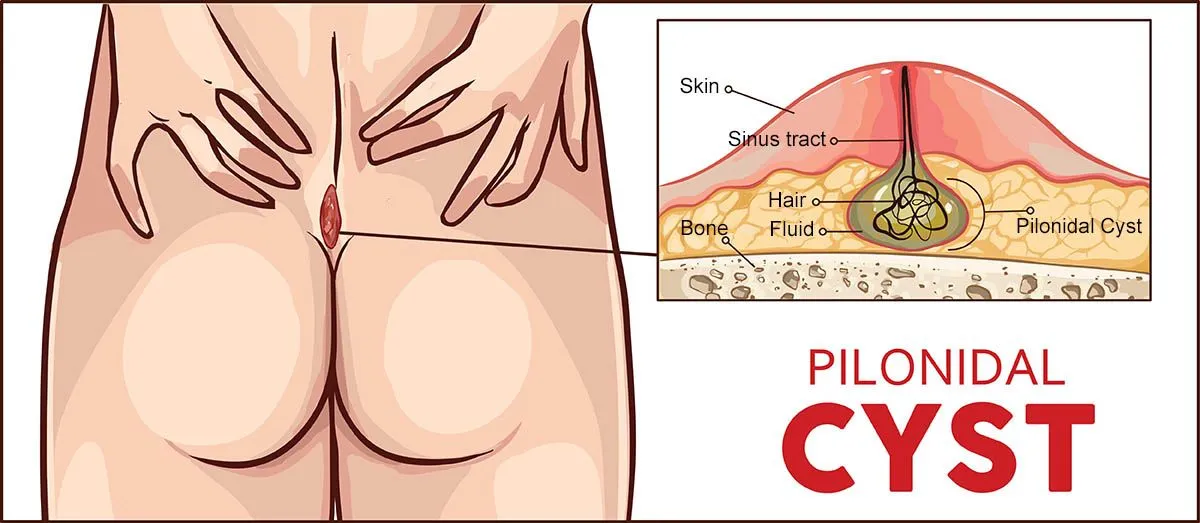
Illustration of a pilonidal cyst in the buttocks, with a detailed cross-section showing its internal structure.

Causes and Risk Factors

Pilonidal disease is a complex condition that develops due to a combination of genetic, environmental, and lifestyle factors. While the exact cause of pilonidal disease is not fully understood, research suggests that the presence of stiff body hair in the crease between the buttocks plays a significant role. These coarse hairs can penetrate the skin in the buttock cleft, leading to irritation and the formation of a pilonidal cyst or pilonidal sinus. Over time, loose hairs and skin debris can become trapped in the affected area, further increasing the risk of infection and abscess formation.


Key risk factors for pilonidal disease include:


  • Age (most common in individuals aged 15-40)
  • Male gender
  • Thick or stiff body hair, especially in the buttock area
  • Family history of pilonidal disease
  • Prolonged sitting (students, office workers, truck drivers)
  • Obesity
  • Sedentary lifestyle
  • Wearing tight clothing that causes friction in the buttock area
  • Increased sweating and poor hygiene
  • Deep buttock cleft


An association has also been established between pilonidal disease and polycystic ovary disease (PCOS).


If you fall into one of these higher-risk groups, it is especially important to understand how a top pilonidal surgeon in New Jersey approaches diagnosis and treatment.


Working with a top pilonidal disease specialist in NJ can help you address these risks and develop a tailored prevention and treatment plan.

Now that you know the causes and risk factors, let's look at how pilonidal disease is diagnosed.


Causes of pilonidal disease

Diagnosis

To diagnose pilonidal disease, a physician will typically confirm the diagnosis by examining the buttock area, looking for signs such as sinus tracts, abscesses, or cysts. This clinical evaluation is the primary method used to diagnose pilonidal disease, rather than relying solely on blood tests or imaging.

Key points in diagnosis:


  • Physical examination of the buttock cleft and tailbone area
  • Identification of sinus tracts, abscesses, or cysts
  • Imaging (MRI or CT) if the diagnosis is unclear or to assess the extent of disease


If your doctor thinks there may be complications or the diagnosis is uncertain, additional tests such as swabs or imaging may be ordered to further evaluate the condition.


Early diagnosis is crucial, as untreated pilonidal disease can quickly progress to a pilonidal abscess, causing pain, swelling, and draining pus or blood from the skin. Many patients benefit from evaluation by a dedicated pilonidal specialist in Stanhope, NJ who is familiar with both straightforward and complex cases. Having pilonidal disease diagnosed early allows for more effective and less invasive treatment options.


After diagnosis, the next step is to consider available treatment options.

Treatment Options

Treatment options for pilonidal disease depend on the severity of the symptoms and how pilonidal disease is treated can vary widely, which is why we offer a range of specialized pilonidal disease treatments in New Jersey and New York.. For some patients, hair removal—either through shaving or laser hair removal—can help keep the area free of hair and reduce the risk of recurrence. Laser hair removal is a safe procedure that can be performed in a physician's office and may be recommended for excessive hair. Chemical hair removal creams or gels can also remove hair and keep it from growing back for longer periods. Shaving the area between the buttocks may need to be done every week, depending on hair thickness and growth rate. Antibiotics may be prescribed to treat infection, while more advanced cases may require surgery to remove the infected cyst or sinus. Surgery for a pilonidal cyst may involve leaving the wound open for packing or closing it with sutures or a skin flap. If the wound is left open after surgery, dressings or packing are used to help remove secretions and allow healing from the bottom up. Operations with complete excision of tracts (wide excision) often result in better long-term outcomes, although healing takes longer. In certain situations, a skin flap procedure may be used to cover the affected area and promote healing. Surgery for pilonidal disease may need to be more complex than planned if the abscess or sinus is larger than it appears. Complications of pilonidal disease are often related to wound healing. Patients are advised to follow their physician's postsurgical care instructions to prevent recurrence of pilonidal disease. Patients are typically advised to avoid strenuous exercise and heavy lifting for the first week after surgery. Follow-up appointments after surgery are usually scheduled about six weeks later to monitor healing.


Common treatment options include:


  • Hair removal (shaving, laser hair removal, chemical depilatories)
  • Antibiotics for infection
  • Incision and drainage of abscesses
  • Surgical removal of cysts or sinus tracts
  • Wide excision (removal of a large or infected area, leaving the wound open to heal naturally)
  • Skin flap procedures for complex or recurrent cases
  • Keeping the area clean and avoiding tight clothing


These same principles guide our pilonidal disease treatment in Princeton, New Jersey and our comprehensive pilonidal disease treatment services in Essex County, NJ, where we tailor therapies to each patient’s needs.. Keeping the area clean and free of hair is essential for managing and preventing recurrence. Hair removal is the most important thing you can do to treat pilonidal disease.


If you notice symptoms such as a swollen area, small lump, leaking pus, or persistent pain in the tailbone region, it is important to seek medical attention promptly. Left untreated, pilonidal disease can lead to serious complications, including chronic infection, non-healing wounds, and the need for more extensive surgery. Patients throughout North Jersey can access expert care at our pilonidal specialist clinic near Hopatcong, NJ, dedicated pilonidal disease treatment center in Summit, NJ, and our specialized pilonidal disease treatment clinic in Montclair, NJ for thorough evaluation and long-term relief..

By understanding the causes, risk factors, and treatment options for pilonidal disease, you can take proactive steps to protect your health and seek specialized care when needed.


Prevention and Lifestyle Changes

Preventing pilonidal disease starts with simple, everyday habits that help protect the skin and reduce the risk of hair follicles becoming embedded in the affected area. Keeping the buttock area clean is essential—regular showering or bathing, especially after activities that cause sweating, helps wash away loose hairs and skin debris that can contribute to infection. Choosing loose, comfortable clothing over tight clothing minimizes friction in the buttock area, reducing irritation and the chance of pilonidal disease developing.


Hair removal is another key preventive measure. Options like shaving or laser hair removal can significantly decrease the amount of hair in the buttock cleft, making it less likely for hair to become trapped and cause problems. Laser hair removal, in particular, offers a long-term solution for those with thick or stiff body hair, helping to keep the area free of hair and lowering the risk of recurrence.


While these steps can greatly reduce your risk, it’s important to remember that some people—especially those with a family history of pilonidal disease—may still develop the condition despite their best efforts, which is why many patients turn to our in-depth pilonidal disease FAQs and treatment guidance when planning their care.. Maintaining good hygiene, keeping the area clean, and avoiding tight clothing are the best ways to support your skin’s health and minimize the risk of pilonidal disease.


Complications and Prognosis

If pilonidal disease is not treated promptly, it can lead to several complications. Chronic infection is common, and the formation of a pilonidal abscess or sinus tracts can cause ongoing pain and discomfort in the affected area. In rare cases, long-standing pilonidal disease may increase the risk of developing skin cancer in the buttock region. These complications highlight the importance of seeking care from experienced colon and rectal surgeons or rectal surgeons who can provide specialized treatment and ongoing management, such as our pilonidal disease specialist team at Pilonidal Fix.


The prognosis for most patients with pilonidal disease is positive, especially when the condition is diagnosed early and treated effectively. With the right treatment plan, including surgical and non-surgical options, most patients experience significant relief from symptoms and a return to normal activities. However, because pilonidal disease can recur, long-term follow-up and preventive care are often necessary to avoid future complications. By working closely with your healthcare provider, you can minimize the risk of infection, abscess, and other issues, ensuring the best possible outcome.


Buttock Crease Care

Caring for the crease between the buttocks is a crucial part of both preventing and managing pilonidal disease. Start by keeping the buttock area clean and dry—after showering or bathing, gently pat the area dry with a clean towel, paying special attention to the crease to prevent moisture buildup. Avoid rubbing the skin, as this can cause irritation and increase the risk of infection.


Regular hair removal, whether by shaving or laser hair removal, helps keep the area free of hair that could become embedded in the skin. Wearing loose-fitting clothing instead of tight clothing reduces friction and irritation in the buttocks, further lowering your risk of pilonidal disease and its complications.

It’s also wise to avoid activities that cause excessive sweating or prolonged pressure on the buttock area, such as cycling or sitting for long periods without breaks. Scheduling regular check-ups with a colon and rectal surgeon can help catch any early signs of pilonidal disease or complications, allowing for prompt treatment and better outcomes, especially when you work with a dedicated pilonidal disease treatment center in Fort Lee, NJ.


Recurrence and Long-term Management

Pilonidal disease is known for its tendency to recur, making long-term management essential for lasting relief. Working with a healthcare provider—ideally a colon and rectal surgeon—ensures you have a personalized treatment plan tailored to your needs. This plan may include regular follow-up visits, ongoing hair removal, and careful wound care to keep the area healthy and reduce the risk of infection.


For patients who have undergone surgery to remove a pilonidal cyst or sinus, following your physician’s instructions for wound care and attending all scheduled appointments is critical for proper healing. Keeping the area clean, monitoring for signs of infection, and maintaining hair removal routines are all important steps in preventing recurrence.


Adopting a healthy lifestyle, including a balanced diet and regular exercise, can also support your immune system and promote healing. By staying proactive and working closely with your care team, you can manage pilonidal disease effectively and minimize the chances of it returning, helping you maintain a better quality of life, no matter which of the many New Jersey and New York locations we serve for pilonidal treatment you call home..


Contact Pilonidal Fix Today!

Contact us today and let us help you leave your pain behind. You can reach our team directly through our Pilonidal Fix contact page or take the next step by completing the form on our Become a Patient page so we can schedule your visit promptly.

Frequently Asked Questions about pilonidal disease at pilofix


  • Is a pilonidal cyst the same thing as pilonidal disease?

    The term "cyst" is a common misnomer. While people often call it a pilonidal cyst, it is actually an inflammatory skin condition (pilonidal disease) caused by loose hairs becoming trapped in skin pores. This leads to the formation of an abscess or a sinus tract (a tunnel under the skin) rather than a true, fluid-filled sac.

  • Can pilonidal disease go away on its own?

    While some minor flare-ups may spontaneously resolve or drain with home remedies, pilonidal disease is often a chronic condition. Without professional treatment to address the underlying pits and sinus tracts, the infection is likely to recur, often becoming more complex and painful over time.

  • What are the primary risk factors for developing this condition?

    Pilonidal disease is most common in males between the ages of 15 and 40. Key risk factors include a sedentary lifestyle or jobs that require long periods of sitting, obesity, excessive or coarse body hair, and a family history of the condition. It has also been associated with polycystic ovary syndrome (PCOS).

  • Why do traditional surgeries for pilonidal disease often fail?

    Traditional "wide excision" surgeries often fail because they leave a deep midline scar in the buttock crease, which is prone to poor healing and hair entrapment. At Pilonidal Fix, we specialize in the Cleft-Lift procedure (Bascom Flap), which flattens the cleft and moves the incision away from the midline, significantly reducing the chance of recurrence.

  • When should I see a pilonidal specialist instead of an urgent care clinic?

    While an ER or urgent care can provide emergency drainage for an acute abscess, they rarely provide a long-term cure. If you experience recurring pain, persistent drainage, or have had unsuccessful previous surgeries, you should consult a specialist. Early intervention by a dedicated expert like Dr. Rafailov can prevent the disease from becoming "refractory" or more difficult to treat.

CONTACT US TODAY!

Contact us today and let us help you leave your pain behind.

Contact Us