

The Pilonidal Disease Emotional Impact: Finding Help
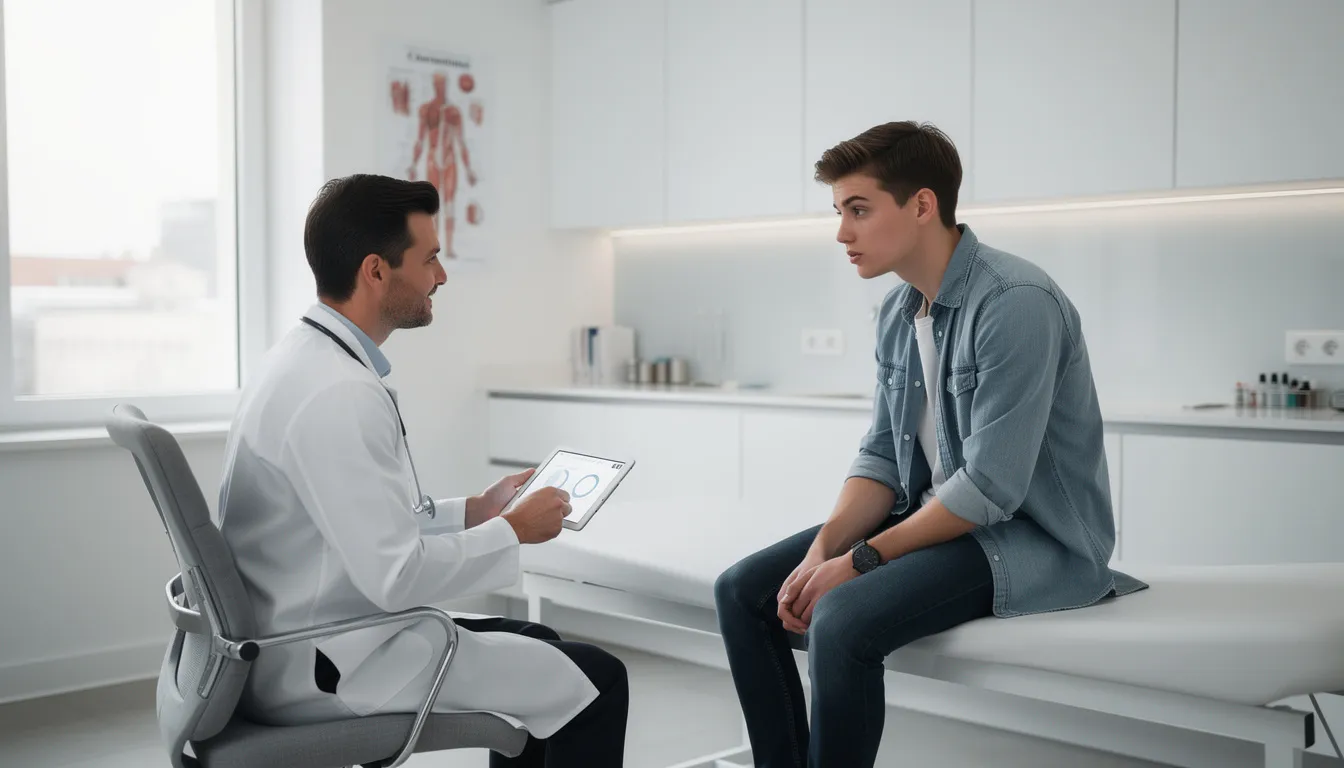
Welcome to a space where your experience matters. If you're dealing with the challenges of a chronic condition, you understand that the struggle goes far beyond physical symptoms. The psychological toll can feel overwhelming at times.
Many people focus only on the visible aspects of their health concerns. However, the broader impact reaches into every corner of daily life. It affects relationships, work performance, and overall well-being.

Your feelings are valid and deserve attention. The emotional weight of dealing with a persistent health issue is real and significant. You are not alone in this journey, and professional support can make a meaningful difference.
At Pilonidal Fix in Stanhope, NJ, Dr. Rafailov leads the only dedicated practice in the Northeastern US specializing in comprehensive care. Understanding both physical and psychological dimensions is essential for complete healing.
This article explores research findings, personal stories, coping strategies, and treatment options. Our goal is to provide hope and practical guidance for your recovery path.
Key Takeaways
- The psychological aspects of chronic conditions deserve equal attention to physical symptoms
- Professional support can significantly improve quality of life during treatment
- Comprehensive care addresses both medical and emotional needs
- Effective coping strategies exist for managing daily challenges
- Specialized practices offer targeted solutions for complex health issues
- Understanding the full scope of a condition leads to better recovery outcomes
- Hope and practical guidance are available for those seeking help
Overview of Pilonidal Disease Emotional Impact
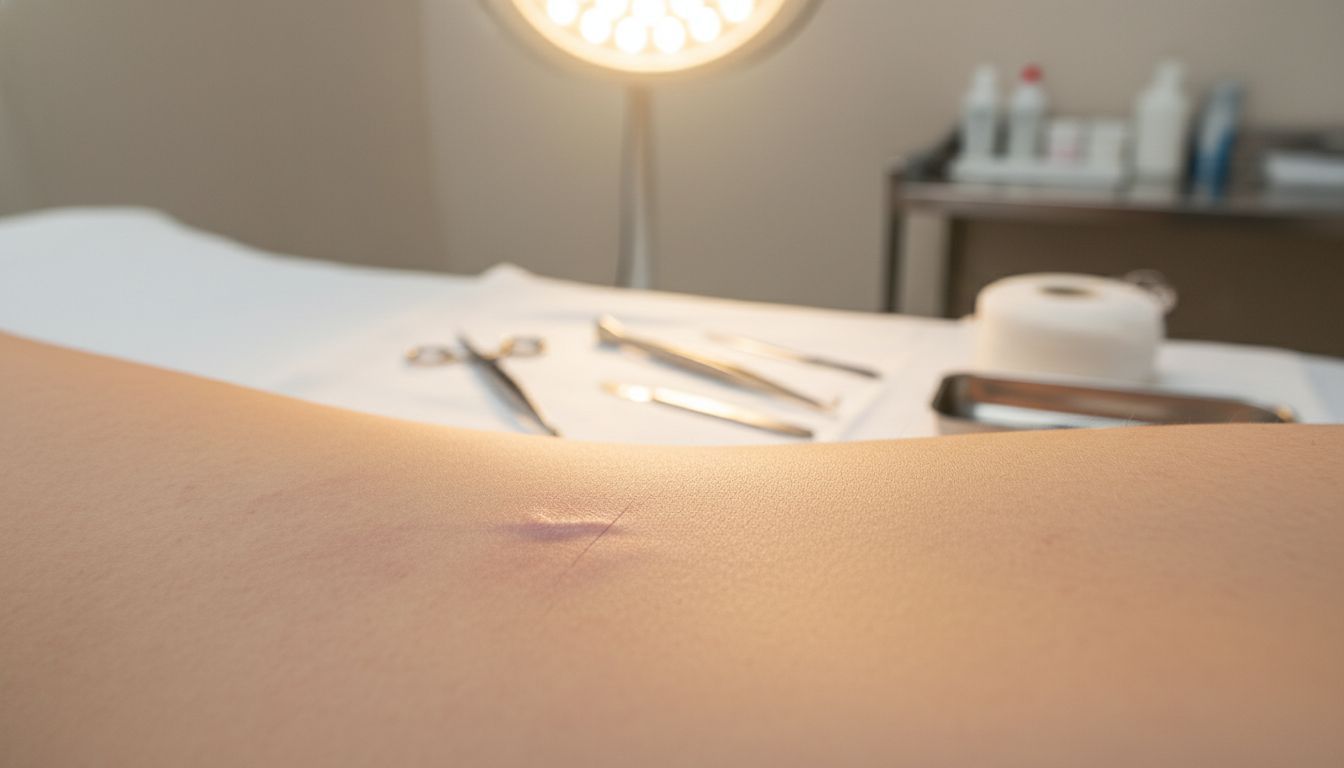
A pilonidal sinus is a small tunnel or hole that can form in the skin near the tailbone. This condition often affects young adults and can lead to significant health challenges. It typically appears in two stages: acute and chronic.
The physical signs of this disease are hard to ignore. Common symptoms include:
- Localized pain and swelling
- Noticeable drainage from the sinus
- General discomfort in the lower back
These issues can disrupt daily life and create unique stresses.
Defining the Condition and Its Challenges
Dealing with a pilonidal sinus involves more than managing physical discomfort. The location of the problem can cause embarrassment. The tendency for recurrence adds another layer of difficulty.
Treatment and recovery can be a lengthy process. This ongoing nature of the disease deeply affects a person's overall well-being.
Why Emotional Support is Essential
Focusing only on the physical aspects of a pilonidal sinus is not enough for complete healing. The psychological toll is real and deserves attention. Ignoring mental health needs can slow down physical recovery.
Comprehensive care addresses the whole person. Support for your psychological state is a critical part of effective treatment and long-term health.
Pilonidal Disease Emotional Impact on Mental Health
Recent clinical studies provide compelling evidence about the mental health challenges associated with persistent medical conditions. Research confirms that the psychological effects are measurable and significant.
A major German investigation followed 11,245 individuals with this condition over five years. The findings revealed important patterns in psychological well-being.
Clinical Insights and Research Findings
Nearly 12% of patients received a depression diagnosis within five years. This compares to 10.5% in the control group without the condition.
The association was statistically significant across different patient groups. Women faced a 25% higher risk of developing depression.
Patients over 45 years old showed a 44% increased risk. Both acute and chronic forms carried similar mental health risks.
Studies indicate that 22-27% of patients experience moderate to severe depression. The connection involves multiple factors that affect daily life.
Limited mobility, social isolation, and chronic pain contribute to these challenges. Quality of life scores are significantly affected in mental health domains.
This evidence validates what many individuals experience personally. The research demonstrates that psychological struggles are a recognized medical consequence.
Understanding the Psychological Toll of Pilonidal Disease
Beyond the clinical diagnosis lies the personal experience, where pain and uncertainty can deeply affect one's emotional world. The psychological weight of this disease is a real and significant part of the healing journey.
Coping with Chronic Pain and Isolation
The relentless nature of chronic pain is emotionally draining. Simple acts like sitting become major challenges, forcing individuals into positions of isolation.
This confinement can feel like watching life from the sidelines. As one patient, Frankie Levin, shared after an 18-month battle, the experience took a "colossal toll" on his mental health. The private location of the sinus often adds a layer of embarrassment, making social connections difficult.
Managing Anxiety and Depression
Constant worry about recovery progress fuels significant anxiety. The fear of recurrence or another surgery creates a cloud of uncertainty over each day.
When treatments don't work as hoped, it's common to feel a deep sense of depression. Losing the ability to enjoy favorite activities can shake self-confidence to its core.
Never fight alone and never give up.
Frankie Levin
These feelings are a normal response to a difficult disease. Acknowledging this psychological impact is a vital step toward comprehensive healing.
Coping Strategies and Support Resources
Building a strong support system is a powerful step toward healing. You do not have to manage this challenge on your own. Reaching out for help is a sign of strength, not weakness.
Bottling up feelings can be extremely damaging during your recovery. Using the support of others or professionals is crucial for your overall health.
Professional Counseling and Therapy Options
Different mental health experts can guide you. Therapists for chronic illness understand the unique stresses patients face.
Evidence-based treatments like cognitive-behavioral therapy teach practical coping skills. These skills help manage pain and the uncertainty of treatment outcomes.
Seeking this kind of care addresses both body and mind for comprehensive healing.

Peer Support and Community Engagement
Connecting with others who have a pilonidal sinus offers unique comfort. Online forums and groups provide a safe space to share experiences.
Platforms like the NHS and Mind offer valuable mental health resources. Isolation can amplify suffering, but community builds resilience.
This table compares different support options to help you find the right fit.
| Support Type | Key Benefit | Best For |
|---|---|---|
| Professional Therapy | Structured, evidence-based skill building | Managing anxiety, depression, chronic pain |
| Online Peer Groups | Shared experience & instant understanding | Reducing feelings of isolation, getting practical tips |
| Talking to Family/Friends | Building a local, personal support network | Daily encouragement and practical help |
Connecting with others who understand the sinus journey improves your quality life. It complements medical treatment beautifully. For many patients, this combination is the key to overcoming the challenges of this disease.
Compassionate Care at Pilonidal Fix
In the heart of New Jersey, a unique medical practice offers hope for lasting recovery. Pilonidal Fix stands as the only dedicated center in the Northeastern United States focused exclusively on this specific health challenge.
Our practice serves the greater Stanhope area and throughout Sussex County. We provide specialized care to a region that previously lacked a dedicated center for this condition.
Dr. Rafailov's Expertise and Direct Communication
Dr. Rafailov brings specialized knowledge that general surgeons may not possess. His commitment to achieving the highest cure rates through comprehensive treatment sets our practice apart.
What truly distinguishes our approach is the unmatched level of direct communication. Every patient receives clear explanations without confusing medical jargon.
This honest, transparent approach helps reduce the anxiety that often accompanies medical procedures. Patients always know where they stand and what to expect.
Our practice philosophy recognizes that healing requires both surgical skill and emotional support. We partner with patients throughout their entire journey.
| Practice Feature | Benefit to Patients | Result |
|---|---|---|
| Specialized Focus | Deep expertise in specific condition | Higher success rates |
| Direct Communication | Clear understanding of options | Reduced anxiety |
| Comprehensive Approach | Addresses physical and emotional needs | Complete healing |
Take the next step toward specialized, compassionate care. Contact Pilonidal Fix at 973-323-2400 or visit www.pilofix.com to begin your journey to lasting recovery.
Insights from Recent Clinical Studies
Groundbreaking research reveals how surgical choices can shape mental health outcomes for years after treatment. A Turkish study followed 205 individuals for approximately three years, comparing two different surgical approaches.
The investigation measured both physical recovery and psychological well-being using standardized assessment tools. This provides valuable long-term data about how treatment decisions affect overall quality of life.
Evaluating Quality of Health and Recovery Metrics
Patients who underwent Limberg flap reconstruction showed significantly better mental health scores. Their bodily pain management was also superior compared to those with primary closure procedures.
Recovery times differed meaningfully between the two groups. The Limberg flap group returned to walking without discomfort three days faster on average.
Comparing Surgical Approaches and Psychological Outcomes
The psychological differences were striking. Severe depression affected only 1% of Limberg flap patients versus 14% in the primary closure group.
Similarly, severe anxiety occurred in just 3% of Limberg flap cases compared to 19% with primary closure. These findings highlight how surgical technique selection can influence mental health risks.
Better wound healing and lower complication rates appear to contribute to improved psychological outcomes. This demonstrates the importance of considering both physical and mental well-being when choosing treatments.
Practical Tips for Emotional Recovery and Daily Well-being
Your daily choices play a crucial role in supporting the body's natural healing abilities while nurturing emotional resilience. Small, consistent actions can significantly improve comfort levels and maintain positive momentum throughout your recovery journey.
Lifestyle Adjustments and Self-Care Routines
Proper positioning is essential for reducing pain and promoting wound healing. Use specialized cushions when sitting and alternate between standing and lying positions throughout the day. This approach minimizes pressure on the affected tissue.
Establish a consistent wound care routine to prevent infection. Keep the skin clean and dry, monitoring for any changes in drainage or swelling. Early detection of potential complications ensures prompt treatment.
Manage discomfort with simple techniques beyond medication. Gentle movement promotes circulation without risking recurrence. Ice packs can reduce inflammation during acute pain times.
Maintain meaningful activities despite physical limitations. Adapt hobbies and work arrangements to preserve quality of life. Staying connected with support systems prevents isolation during recovery.
Monitor your progress and celebrate small victories. Setting realistic expectations for healing time reduces frustration. Remember that complete tissue regeneration after surgery requires patience.
Conclusion
True healing encompasses more than just physical recovery—it includes restoring emotional balance and daily comfort. Research confirms that psychological challenges like depression and anxiety frequently accompany this health condition.
The choice of surgical approach significantly influences both physical outcomes and mental wellness. Minimizing complications and promoting faster wound healing leads to better quality of life for patients.
Comprehensive care addresses the complete experience, from pain management to preventing recurrence. Specialized practices like Pilonidal Fix in Stanhope offer tailored treatments that consider both medical and psychological needs.
Taking that first step toward professional help begins your journey to lasting recovery. You deserve care that treats the whole person, not just the symptoms.
Frequently Asked Questions About The Pilonidal Disease Emotional Impact
How can pilonidal sinus problems affect my mental health?
Dealing with chronic pain, swelling, and repeated infections can take a real toll. It's common to feel anxious or down when managing a long-term health issue. The constant worry about flare-ups or complications can impact your quality of life. Seeking support is a key part of healing.
What are the best ways to cope with the stress of this condition?
Finding good coping strategies is vital. This can include talking to a therapist, joining a support group, or practicing relaxation techniques. Making small lifestyle adjustments to reduce pressure on the area also helps. Remember, you're not alone, and connecting with others who understand can make a big difference.
Does the type of surgery I choose affect my emotional recovery?
Yes, it can. Different surgical approaches, like minimally invasive procedures, often lead to faster healing and less pain. A smoother physical recovery can positively influence your mental well-being. Discussing all your treatment options with a specialist helps you choose the best path for your overall health.
How long does it typically take to heal after a procedure?
Healing time varies based on the treatment. Minimally invasive techniques usually mean a quicker return to normal activities. More extensive surgeries might require a longer recovery period. Proper wound care is essential to prevent complications and support a speedy recovery.
What can I do to lower the risk of the problem coming back?
Preventing recurrence involves good hygiene, keeping the area clean and dry, and avoiding prolonged sitting. Some patients benefit from laser hair removal in the area to reduce risk. Following your doctor's aftercare instructions closely is the best way to protect your long-term health.