

Will a Pilonidal Abscess Go Away?
If you’ve discovered a painful lump near your tailbone, you’re probably wondering whether it will simply resolve on its own. The short answer is no—most pilonidal abscesses require professional treatment to fully heal.
This guide is for anyone experiencing symptoms of a pilonidal abscess or seeking information about treatment and prevention. For broader context, you may also want to understand the basics of pilonidal disease and how it develops. Prompt recognition and treatment can prevent complications and reduce the risk of recurrence.
Quick Answer: Will a Pilonidal Abscess Go Away on Its Own?
A pilonidal abscess may partially drain and temporarily feel better, but it almost never completely goes away without proper treatment. Studies show that even after simple incision and drainage, only about 58% of patients remain cured within 10 weeks—the rest experience recurrence.
The difference between short-term pain relief and true resolution matters significantly. When an abscess bursts spontaneously, pressure decreases and pain improves, but the underlying pilonidal disease typically persists. Deeper sinus tracts and infected tissue remain beneath the skin, setting the stage for future flare-ups.
Timely medical care is strongly recommended to avoid complications, repeat infections, and the need for more extensive surgery later. Pilofix offers a specialized, modern treatment pathway for pilonidal abscesses and chronic pilonidal disease, guiding patients from initial assessment through definitive care.
What Is a Pilonidal Abscess?
A pilonidal abscess is a pus filled abscess that forms in the buttock cleft near the tailbone. It develops when hair and debris become trapped under the skin, leading to infection and skin inflammation.
This condition typically arises from an underlying pilonidal cyst or pilonidal sinus that may have been present for weeks or months without symptoms. Key distinctions:
- Pilonidal cyst: A fluid-filled sac under the skin
- Pilonidal sinus: A tunnel or opening that can drain intermittently
- Pilonidal abscess: The acute, infected phase with swelling and severe pain
The condition commonly affects people aged 15–35, particularly those with rough body hair, deep natal clefts, or sedentary jobs. Historically called “Jeep disease” among soldiers who sat for prolonged periods, it affects males roughly four times more often than females.
How Do I Know If I Have a Pilonidal Abscess?
Recognizing early symptoms helps you avoid more serious complications, and many patients find value in reading in-depth pilonidal disease education and patient stories. The classic presentation includes:
- A sudden painful lump near the top of the buttock area
- Redness, warmth, and increasing tenderness developing over 1–3 days
- Pain that worsens with sitting, bending, or lying on your back
- Difficulty walking or sleeping due to discomfort
- A large swollen area with possible pus or blood-stained drainage
If you develop fever, chills, or feel systemically unwell, this indicates the skin infection may be spreading and requires urgent evaluation. Don’t ignore other symptoms like bleeding or increasing inflammation.
Can a Pilonidal Abscess Really Go Away on Its Own?
True self-resolution is rare. What appears to be improvement usually reflects partial spontaneous drainage rather than genuine healing.
Here’s the typical pattern:
- Initial flare-up with swelling and pain
- The abscess partially drains through a weak point
- Symptoms temporarily improve
- Recurrence weeks or months later in the same spot
With over 70,000 cases annually in the U.S., instances where pilonidal abscesses genuinely resolve without intervention are exceptionally uncommon. The moist, hair-trapping environment of the cleft actively works against spontaneous healing.
Risks of waiting include:
- Spreading infection and cellulitis
- Larger abscess cavity formation
- Skin breakdown and tissue damage
- Need for more extensive surgery later
Experienced colon and rectal surgeons and rectal surgeons generally advise against relying on spontaneous resolution, and comprehensive pilonidal disease FAQs and treatment options reinforce the importance of timely, definitive care.
Why Seeing a Doctor (Instead of Waiting) Matters
Once significant pain or swelling appears, professional evaluation is the safest choice. A primary care doctor or medical professional can distinguish between early infections that might respond to conservative care and fully formed abscesses requiring drainage.
Benefits of early medical attention include:
- Accurate diagnosis ruling out other conditions
- Proper pain control
- Effective drainage of the abscess cavity
- Prevention of deeper spread
Oral antibiotics or topical antibiotics alone rarely cure a true pilonidal abscess—they simply cannot penetrate the infected pocket effectively without drainage, though targeted antibiotic management for pilonidal disease still plays an important role alongside procedures. The procedure itself is typically quick, performed under local anesthesia in a clinic, with rapid pain relief once pressure is released.
Pilofix partners with experienced surgeons to provide clear treatment pathways from initial assessment through long-term care.

What Happens at the Doctor: Evaluation and Drainage
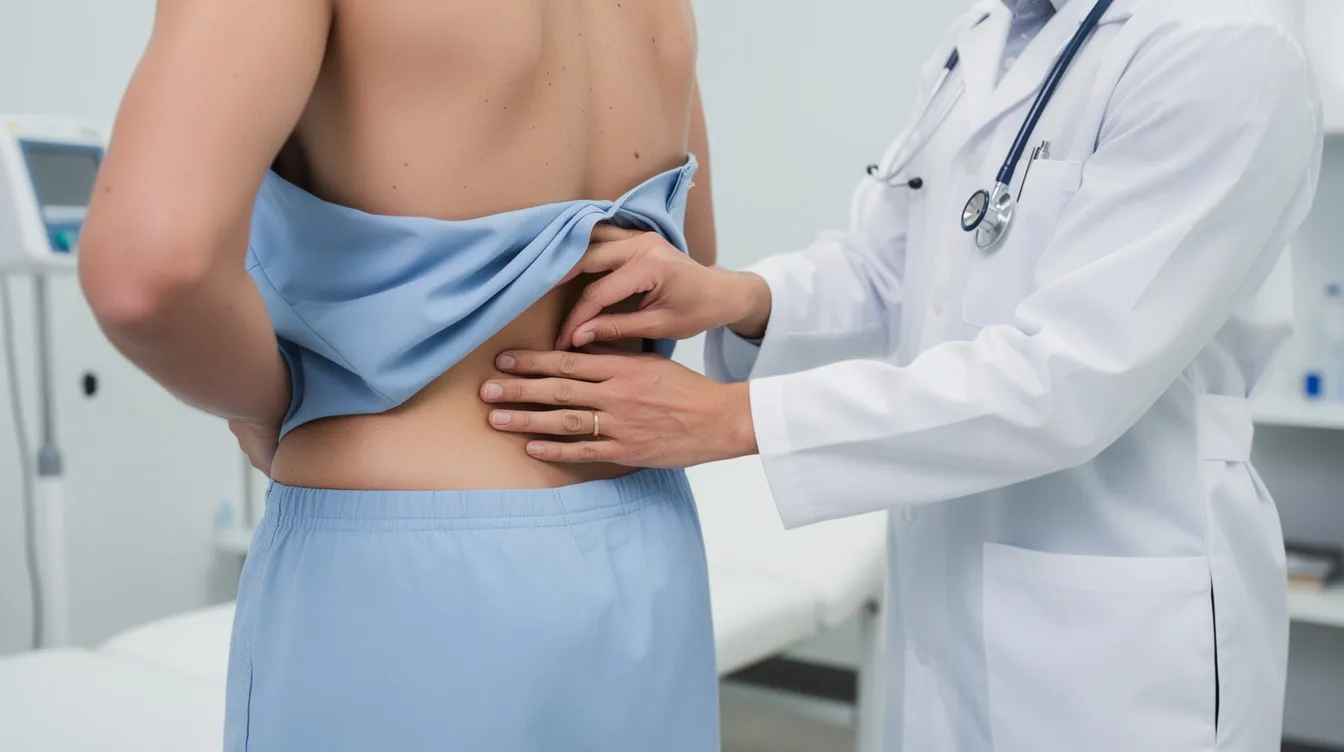
Your first visit involves history-taking, physical examination, and determining whether incision and drainage is needed. The doctor will visually inspect the cleft and gently palpate the affected area to assess for fluctuance and check for multiple sinus openings.
The drainage procedure typically involves steps similar to emergency surgical drainage for pilonidal abscesses and often provides rapid symptom relief:
- Cleaning the surgical site
- Numbing with local anesthesia
- A small incision to release pus
- Flushing the wound clean
- Placing an appropriate dressing
Some deeper abscesses may require drainage in an operating room under general anesthesia. However, most patients walk out the same day with significantly reduced pain, and patient testimonials about pilonidal treatment success often highlight rapid relief and restored quality of life.
Pilofix-based treatment plans pair initial drainage with long-term recurrence prevention—not just “lance and forget.”
Will Drainage Cure the Problem Forever?
Drainage solves the immediate abscess but does not always cure the underlying problem. Many patients remain symptom-free for months, while others develop chronic pilonidal disease with recurring abscesses or persistent draining pits.
Risk factors for recurrence include:
- Deep natal clefts
- Coarse body hair
- Sedentary work with prolonged sitting
- Being overweight
- Delayed treatment of the first episode
Those at greater risk or higher risk of repeat infections may need definitive surgery to remove the problem permanently. Options include the cleft-lift procedure for recurrent pilonidal disease, off-midline flaps, or minimally invasive approaches with 80–95% success rates.
Pilofix focuses on long-term eradication rather than just short-term abscess relief, guiding patients toward appropriate definitive care.
Self-Care at Home: What Helps and What Doesn’t
Home care is not a substitute for professional assessment when obvious swelling, severe pain, or fever is present. However, supportive measures while arranging medical care include:
What may help:
- Warm compresses or moist compresses for 10–15 minutes, 3–4 times daily
- Soaking in warm water via sitz baths
- Gentle cleansing with mild soap
- Loose, breathable clothing (avoid tight clothing)
- Over-the-counter pain relief
What doesn’t work:
- Squeezing or attempting to drain the area yourself
- Cutting with needles or sharp objects
- Relying solely on neosporin ointment or tea tree oil
- Topical creams (they cannot reach the infected cavity)
Seek emergency room care immediately if you experience:
- Rapidly spreading redness
- High fever or chills
- Severe pain unrelieved by medication
- Feeling faint or confused
What If the Abscess Starts Draining on Its Own?
Many people first notice their pilonidal abscess when it suddenly leaks pus or blood during a shower. This spontaneous rupture indicates the abscess found a weak point to drain through.
While pain may improve within hours, self-rupture typically leaves behind a sinus tract and partially infected tissue. The wound may remain open but not completely heal.
Recommended steps:
- Gently cleanse the area
- Apply warm, absorbent dressing
- Schedule medical review within 24–48 hours
- Seek urgent care if pain doesn’t improve within 1–2 days
Pilofix care pathways accommodate this scenario, assessing whether further drainage or definitive procedure is required.
Preventing Recurrence After an Abscess: Daily Habits That Help
After experiencing one abscess, most patients want to prevent another, and understanding pilonidal recurrence causes and prevention strategies can be very helpful. Practical prevention measures include:
| Strategy | Details |
|---|---|
| Hygiene | Daily showering, thorough cleft drying |
| Hair management | Regular trimming; avoid shaving (causes microtrauma |
| Clothing | Loose cotton underwear; avoid tight clothing |
| Sitting breaks | Walk 5–10 minutes hourly during desk work |
| Weight management | Reduces pressure and moist |
These measures lower recurrence risk but cannot guarantee cure—structural anatomy and prior scarring still play a role. Pilofix incorporates these conservative strategies into structured daily plans so patients know exactly what to do after treatment.

How Pilofix Fits Into Your Treatment Options
Pilofix is a specialist service dedicated specifically to pilonidal disease and abscess management, led by a top pilonidal disease specialist in New Jersey. Unlike generic wound care approaches, Pilofix addresses the unique challenges of buttock-cleft anatomy.
How Pilofix helps: through a range of specialized pilonidal disease treatments tailored to each patient’s situation.
- Early assessment and guidance on when drainage is required
- Coordination with experienced surgeons
- Structured aftercare protocols
- Long-term recurrence prevention strategies
- Support in deciding when definitive surgery is appropriate
If you suspect a pilonidal abscess, contact the pilonidal disease experts at Pilonidal Fix rather than waiting for it to “go away.” With modern treatment options and structured support, most patients return to normal activities without ongoing flare-ups—transforming what could be a chronic condition into a one-time event.
When to Seek Urgent vs Routine Care
Timing matters, and not all situations require the same response.
Emergency/same-day care needed:
- Rapidly spreading redness or warmth
- High fever (above 38.5°C)
- Chills or feeling faint
- Severe pain unrelieved by medication
- Signs of sepsis
Urgent outpatient review (24–72 hours): is often appropriate once you recognize key pilonidal disease symptoms and warning signs.
- New painful lump causing pain
- Persistent drainage
- Recently burst abscess with ongoing discomfort
Routine follow-up: is also the right time to review daily lifestyle tips for managing pilonidal disease.
- After any abscess episode to discuss prevention
- Hair management planning
- Evaluating whether surgery or Pilofix protocols are advised
Waiting for a pilonidal abscess to go away rarely works long-term. However, timely medical care combined with specialized pilonidal disease treatment and support from Pilofix can transform a recurring problem into something that’s effectively treated once and for all.