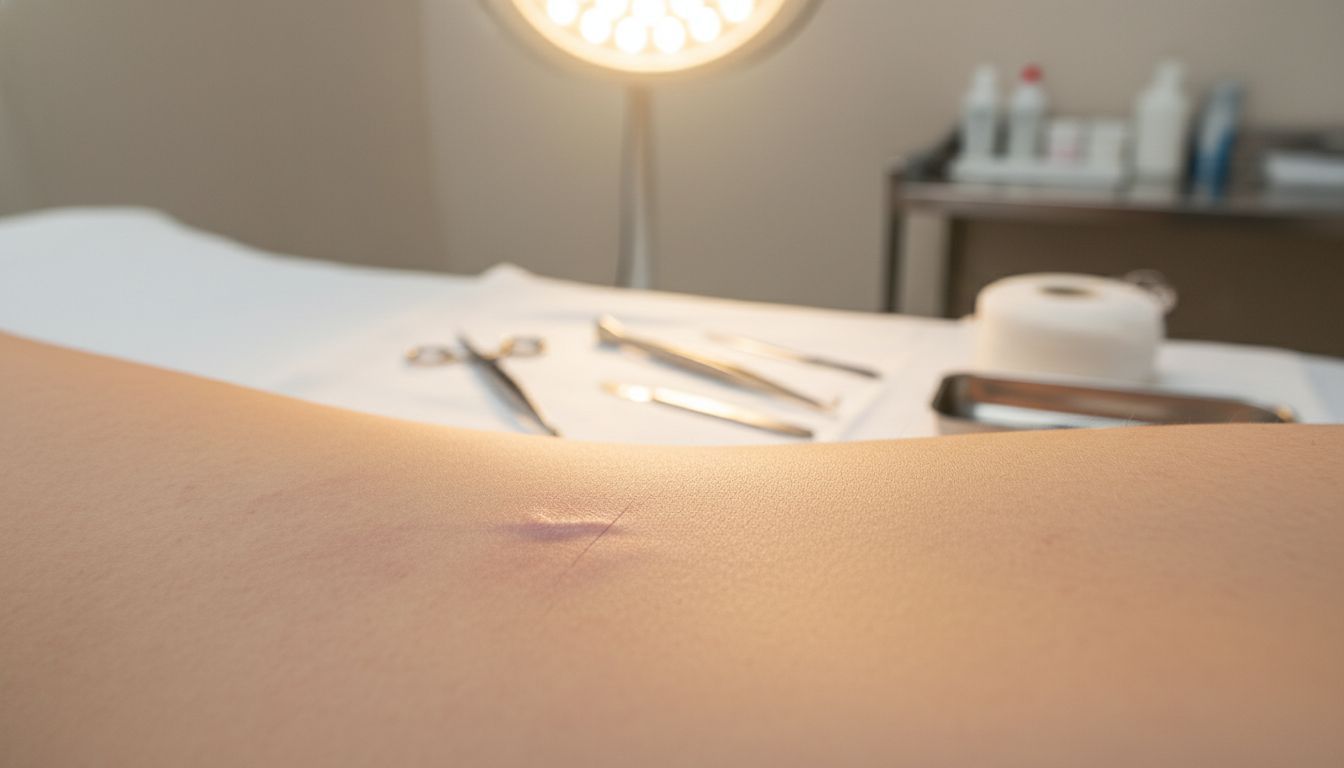


Avoid Pilonidal Disease: Proven Methods to Lower Your Chances
Pilonidal disease is a painful condition that affects many teenagers and young adults, causing cysts in the buttock crease due to trapped hair follicles.
Taking proactive measures can significantly reduce the risk of developing this condition. By adopting simple hygiene practices, managing hair effectively, and making a few lifestyle changes, individuals can protect themselves from pilonidal disease.

Maintaining good hygiene is crucial in preventing the development of pilonidal disease. Keeping the affected area clean and dry, and avoiding prolonged sitting can help reduce the risk.
Additionally, being mindful of hair management in the buttock crease can also play a significant role in prevention.
Key Takeaways
- Maintain good hygiene to prevent pilonidal disease
- Manage hair effectively to reduce risk
- Avoid prolonged sitting to lower chances
- Make lifestyle changes to protect yourself
- Be proactive in reducing your risk
What is Pilonidal Disease and Why Prevention Matters
Pilonidal disease, a condition characterized by cysts or abscesses along the buttock crease, can significantly impact daily life. It is essential to understand this condition to appreciate the importance of prevention.
Definition and Common Symptoms
Pilonidal disease occurs when hair follicles in the sacrococcygeal area become blocked, leading to cysts or abscesses. Common symptoms include pain, swelling, redness, and drainage in the affected area. In some cases, recurrent infections can occur, complicating the condition further.
Key symptoms to watch out for:
- Pain or tenderness in the tailbone area
- Swelling or redness around the coccyx
- Pus or discharge from the affected area
- Fever or general feeling of being unwell
The Impact on Quality of Life
Pilonidal disease can significantly impair daily activities due to pain and discomfort. Sitting for long periods, engaging in physical activities, or even wearing certain types of clothing can become challenging. The condition can also lead to emotional distress due to the discomfort and the need for ongoing care.
The Importance of Early Prevention
Preventing pilonidal disease is crucial to avoid the complications associated with it. Early prevention can reduce the risk of developing cysts or abscesses and minimize the impact on daily life. Understanding the risk factors and adopting preventive measures can significantly lower the chances of developing this condition.
| Prevention Strategies | Benefits |
|---|---|
| Proper hygiene practices | Reduces the risk of infection |
| Hair management | Minimizes hair follicle blockage |
| Avoiding prolonged sitting | Reduces pressure on the sacrococcygeal area |
By understanding pilonidal disease and its implications, individuals can take proactive steps to prevent its occurrence. Early prevention is key to maintaining a good quality of life and avoiding the complications associated with this condition.
Understanding Your Risk Factors
The risk of pilonidal disease is influenced by a combination of demographic, physical, and genetic factors. Understanding these risk factors is crucial for taking targeted preventive measures.
Age and Gender Considerations
Pilonidal disease primarily affects young adults, with a higher incidence in males. The condition is most common between the ages of 15 and 30, suggesting that hormonal changes and lifestyle factors during this period may contribute to its development.
Body Type and Hair Characteristics
Individuals with a sedentary lifestyle, obesity, or excessive hair in the sacrococcygeal area are at a higher risk. Hair characteristics, such as coarse or curly hair, can increase the likelihood of hair entrapment, a key factor in the development of pilonidal disease.
Family History and Genetic Factors
A family history of pilonidal disease is a significant risk factor, indicating a possible genetic predisposition. Individuals with a family history should be particularly vigilant about maintaining good hygiene and other preventive practices.
| Risk Factor | Description | Preventive Measure |
|---|---|---|
| Age and Gender | Young males are at higher risk | Regular hygiene practices |
| Body Type | Sedentary lifestyle, obesity | Regular exercise, weight management |
| Hair Characteristics | Excessive, coarse, or curly hair | Hair removal, proper cleansing |
| Family History | Genetic predisposition | Vigilant hygiene, regular check-ups |
Essential Hygiene Practices for Preventing Pilonidal Disease
Proper cleansing and hygiene are essential for preventing pilonidal disease. Maintaining good hygiene practices, especially in the sacrococcygeal area, is crucial for reducing the risk of this condition. By understanding and implementing effective hygiene routines, individuals can significantly lower their chances of developing pilonidal disease.
Cleansing Techniques for the Sacrococcygeal Area
Effective cleansing of the sacrococcygeal area is vital. Gentle scrubbing with a mild soap is recommended. It's essential to clean the area thoroughly, especially after bowel movements, to remove any dirt or bacteria that may accumulate.
Proper technique involves gently washing the area with warm water and a mild, fragrance-free soap. Avoid using harsh or abrasive cleansers that can irritate the skin and increase the risk of pilonidal disease.
Bathing Frequency and Timing
The frequency and timing of bathing play a significant role in maintaining hygiene. Showering or bathing daily is recommended, especially during hot weather or after engaging in activities that cause sweating.
It's also important to shower or bathe after bowel movements to keep the area clean. This helps in preventing the accumulation of bacteria and dirt, which can contribute to the development of pilonidal disease.
Choosing the Right Cleansing Products
Selecting the appropriate cleansing products is crucial for maintaining the health of the sacrococcygeal area. Mild, fragrance-free soaps are recommended as they are less likely to irritate the skin.
- Opt for cleansers that are gentle on the skin.
- Avoid products with harsh chemicals or fragrances.
- Consider using antibacterial soap to reduce bacterial growth.
By following these hygiene practices, individuals can significantly reduce their risk of developing pilonidal disease. Maintaining cleanliness, using the right cleansing products, and being mindful of bathing frequency are all crucial steps in prevention.
Effective Hair Management Strategies
Effective hair management is a key strategy in the prevention of pilonidal disease. Managing hair in the sacral region can significantly reduce the risk of hair becoming trapped in the skin creases, thereby lowering the chance of pilonidal cyst formation.
Hair Removal Options for the Sacral Region
There are several hair removal methods that can be employed for the sacral region. These include:
- Shaving
- Waxing
- Depilatory creams
- Laser hair removal
Each method has its own set of advantages and disadvantages.
Pros and Cons of Different Hair Removal Methods
Understanding the pros and cons of each hair removal method is crucial for making an informed decision.
| Method | Pros | Cons |
|---|---|---|
| Shaving | Quick and easy | Rapid regrowth, potential for cuts |
| Waxing | Longer-lasting results | Can be painful, skin irritation |
| Depilatory Creams | Painless, easy to use | Chemical smell, skin irritation |
| Laser Hair Removal | Long-term results, reduces hair density | Requires multiple sessions, cost |
Creating a Sustainable Hair Management Routine
To effectively prevent pilonidal disease, it's essential to create a hair management routine that is sustainable in the long term. Laser hair removal is considered an effective long-term solution as it reduces hair density and minimizes the risk of hair becoming trapped in the skin.
When choosing a hair removal method, consider your skin type, hair characteristics, and personal preferences to ensure the method is both effective and comfortable for you.
Sitting Habits and Posture: Protecting Your Tailbone
The way you sit can either protect or put additional stress on your tailbone, influencing your risk of pilonidal disease. Sitting for extended periods can exacerbate the condition by increasing friction and pressure on the buttock crease.
The Dangers of Prolonged Sitting
Prolonged sitting is a common aspect of many lifestyles, whether at work or during leisure activities. However, it can lead to increased pressure on the tailbone and surrounding areas, potentially irritating the skin and increasing the risk of pilonidal disease.
Regular movement and breaks can significantly mitigate this risk by reducing constant pressure on sensitive areas.
Ergonomic Solutions for Work and Home
Implementing
ergonomic solutions can help reduce the strain on your tailbone. This includes using chairs with proper lumbar support and sitting on cushions that reduce pressure on the coccyx.
| Ergonomic Solution | Benefit |
|---|---|
| Lumbar Support Chair | Reduces strain on lower back |
| Coccyx Cushion | Decreases pressure on tailbone |
| Standing Desk | Alternates between sitting and standing |
Recommended Sitting Breaks and Movement Patterns
Taking regular breaks to stand, stretch, and move around can help alleviate the pressure on your tailbone. It's recommended to stand up and stretch every 30 minutes.
By being mindful of your sitting habits and incorporating these strategies, you can significantly reduce your risk of developing pilonidal disease.
Clothing Choices That Minimize Your Risk
Making informed clothing choices is a crucial step in minimizing the risk of pilonidal disease. The clothes you wear can either contribute to or reduce the friction and pressure on your skin, particularly in the sacrococcygeal area.
Breathable Fabrics and Their Benefits
Wearing
breathable fabrics is essential for keeping the skin dry and reducing moisture accumulation, which can contribute to pilonidal disease. Fabrics like cotton and moisture-wicking materials help in evaporating sweat, thus keeping the area dry. This can significantly reduce the risk of developing pilonidal disease.
Proper Fit to Avoid Friction and Pressure
Clothing that fits properly is vital. Tight clothing can cause friction and pressure on the skin, increasing the risk of pilonidal disease. Opting for loose-fitting clothes can help minimize this risk. It's about finding a balance between comfort and protection.
Underwear Selection for Maximum Protection
Choosing the right underwear is a critical aspect of
pilonidal disease prevention. Opt for
seamless underwear or those with a flat seam to reduce irritation. Additionally, consider underwear made from breathable materials to enhance airflow and reduce moisture.
Exercise and Weight Management for Preventing Pilonidal Disease
Maintaining a healthy lifestyle through exercise and weight management can significantly lower the risk of developing pilonidal disease. Excess weight, in particular, can increase the risk due to higher friction and sweat in the buttock crease, making regular exercise and a healthy weight crucial for prevention.
How Excess Weight Contributes to Risk
Excess weight can put additional pressure on the sacrococcygeal area, increasing the risk of pilonidal disease. This is because extra weight can lead to deeper folds in the buttock crease, trapping hair and bacteria, and causing irritation.
Key factors to consider:
- Increased friction and pressure on the sacrococcygeal area
- Higher likelihood of hair and bacteria accumulation
- Potential for increased sweat, leading to a moist environment conducive to infection
Recommended Low-Impact Exercises
Engaging in low-impact exercises can help manage weight and reduce the risk of pilonidal disease without putting excessive strain on the body. Some recommended activities include:
- Brisk walking
- Swimming
- Cycling
- Yoga
These exercises are not only beneficial for weight management but also improve overall health and well-being.
Building Healthy Habits for Long-Term Prevention
Building healthy habits is crucial for long-term prevention of pilonidal disease. This includes:
- Regularly exercising to maintain a healthy weight
- Eating a balanced diet to support overall health
- Avoiding prolonged periods of sitting or standing
By incorporating these habits into your daily routine, you can significantly reduce your risk of developing pilonidal disease and improve your overall quality of life.
Dr. Rafailov's Expert Approach to Preventing Pilonidal Disease
Dr. Rafailov's years of clinical experience have shaped a unique approach to preventing pilonidal disease. As a specialist at Pilonidal Fix, he has developed comprehensive strategies that address the root causes of this condition.
Prevention Strategies Based on Clinical Experience
Dr. Rafailov's prevention strategies are grounded in his extensive clinical experience. He emphasizes the importance of:
- Proper hygiene practices to reduce the risk of pilonidal disease
- Effective hair management techniques to minimize irritation
- Regular exercise and weight management to reduce pressure on the sacrococcygeal area
By combining these strategies, patients can significantly lower their risk of developing pilonidal disease.
Common Misconceptions About Prevention
Many people believe that pilonidal disease is unavoidable, but Dr. Rafailov's approach challenges this misconception. Common myths include:\
- The belief that pilonidal disease is solely caused by genetics
- The assumption that only certain body types are at risk
- The notion that prevention is not possible without surgery
Dr. Rafailov's expert approach debunks these myths, providing patients with effective prevention strategies tailored to their individual needs.
Personalized Prevention Plans at Pilonidal Fix
At Pilonidal Fix, Dr. Rafailov offers personalized prevention plans that cater to each patient's unique risk factors and health status. These plans are designed to be:
- Comprehensive, addressing multiple aspects of prevention
- Tailored to the individual's specific needs and health goals
- Regularly reviewed and updated to ensure ongoing effectiveness
By taking a personalized approach, Dr. Rafailov helps patients achieve the best possible outcomes in preventing pilonidal disease.
With Dr. Rafailov's expert care and the comprehensive services offered at Pilonidal Fix, patients can trust that they are receiving the highest quality care for preventing pilonidal disease.
When Prevention Isn't Enough: Treatment Options at Pilonidal Fix
When prevention isn't enough, Pilonidal Fix offers advanced treatment methods for pilonidal disease. Despite taking preventive measures, some individuals may still experience symptoms of pilonidal disease, requiring effective treatment solutions.
Advanced Treatment Methods Available in New Jersey
Pilonidal Fix provides a range of treatment options, including
laser hair removal and
surgical procedures, tailored to the specific needs of each patient. Laser hair removal can reduce the risk of recurrence by eliminating hair in the affected area, while surgical procedures can address more severe cases.

Why Pilonidal Fix Offers the Highest Cure Rate in the Northeast
Pilonidal Fix achieves a high cure rate due to its commitment to using the latest treatment technologies and personalized care plans. The practice's experienced team works closely with patients to develop effective treatment strategies.
Patient Success Stories and Outcomes
Many patients have achieved significant improvements in their condition through the treatment options available at Pilonidal Fix. By sharing patient success stories, the practice highlights the effectiveness of its treatment approaches and the positive outcomes experienced by its patients.
By offering advanced treatment methods and a patient-centered approach, Pilonidal Fix continues to set a high standard for
pilonidal disease treatment in the Northeast.
Conclusion: Taking Control of Your Pilonidal Health
Understanding the risk factors associated with pilonidal disease and implementing effective prevention strategies can significantly reduce the likelihood of developing this condition. By adopting the hygiene practices, hair management techniques, and lifestyle adjustments outlined in this article, individuals can take proactive steps towards pilonidal disease prevention.
Taking control of your pilonidal health requires a comprehensive approach that incorporates the methods discussed. This includes maintaining good hygiene, managing hair in the sacrococcygeal area, adopting ergonomic sitting habits, and wearing breathable clothing. By integrating these practices into daily life, individuals can minimize their risk and protect their overall well-being.
Empowering yourself with the knowledge and strategies for
pilonidal disease prevention is a crucial step in maintaining optimal health. For those who may still be at risk or are experiencing symptoms, seeking professional guidance from specialists like Dr. Rafailov at Pilonidal Fix can provide personalized solutions and treatment options. Taking control of your pilonidal health is a proactive step towards a healthier, more comfortable life.
Frequently Asked Questions About Avoid Pilonidal Disease: Proven Methods to Lower Your Chances
What is pilonidal disease?
Pilonidal disease is a condition characterized by a cyst or abscess in the sacrococcygeal area, often caused by ingrown hairs, friction, or other factors.
How can I prevent pilonidal disease?
Preventing pilonidal disease involves maintaining good hygiene, managing hair in the sacral region, avoiding prolonged sitting, wearing breathable clothing, and exercising regularly.
What are the risk factors for developing pilonidal disease?
Risk factors include age, gender, body type, hair characteristics, and family history. Understanding these factors can help you take targeted preventive measures.
How often should I bathe to prevent pilonidal disease?
Regular bathing is essential, but the frequency depends on individual factors such as activity level and personal hygiene needs. Generally, bathing at least once a day is recommended.
What hair removal methods are effective for preventing pilonidal disease?
Hair removal options include shaving, waxing, and laser hair removal. Laser hair removal is considered a long-term solution and can be particularly effective in reducing the risk of pilonidal disease.
How can I protect my tailbone while sitting?
To protect your tailbone, take regular breaks to stand and move, use ergonomic solutions such as a coccyx cushion, and maintain good posture.
What type of clothing is recommended to minimize the risk of pilonidal disease?
Wearing breathable fabrics, ensuring a proper fit to avoid friction and pressure, and selecting appropriate underwear can help minimize the risk.
Can exercise help prevent pilonidal disease?
Yes, regular exercise and maintaining a healthy weight can reduce the risk of developing pilonidal disease by minimizing factors such as excess weight and improving overall health.
What are the benefits of personalized prevention plans?
Personalized prevention plans, such as those offered at Pilonidal Fix, are tailored to an individual's specific risk factors and needs, providing a more effective approach to preventing pilonidal disease.
What treatment options are available if prevention is not enough?
Advanced treatment methods, including laser hair removal and surgical procedures, are available at Pilonidal Fix. The practice is known for achieving the highest cure rate in the Northeast.
How can I get a personalized prevention plan?
You can consult with Dr. Rafailov and the team at Pilonidal Fix to develop a personalized prevention plan based on your specific needs and risk factors.